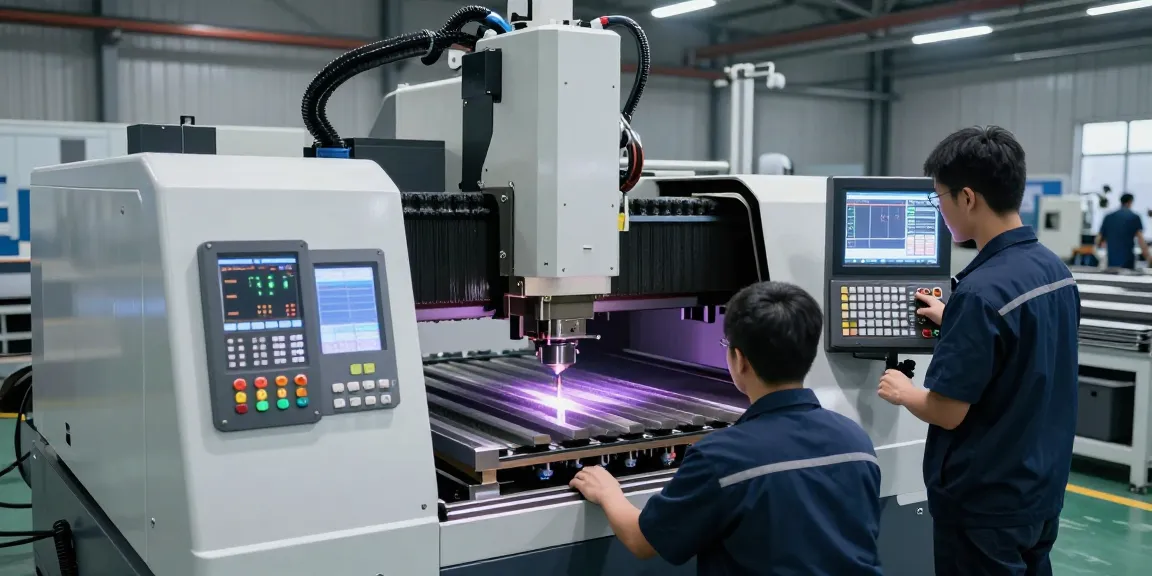
Understanding CNC Press Brake Machines
In the rapidly evolving landscape of modern manufacturing, the importance of precision and efficiency cannot be overstated. CNC press brake machines play a pivotal role in shaping metalworking processes, allowing manufacturers to create complex components with remarkable accuracy. These machines utilize computer numerical control (CNC) technology to automate bending tasks, streamlining workflows and enhancing productivity. As industries increasingly focus on automation, the demand for cnc press brake machine for sale has surged, reflecting the growing preference for advanced manufacturing solutions that combine quality with cost-effectiveness.
What is a CNC Press Brake Machine?
A CNC press brake machine is a mechanical apparatus used to bend sheet metal. It operates through a combination of hydraulic or electric forces, guided by sophisticated software to achieve precise angles and shapes. At its core, the machine uses a ram that moves vertically to exert force on the metal sheet placed on a die beneath it. The integration of CNC technology allows for real-time adjustments and precise control over the bending process, thus ensuring that manufacturers can meet exact specifications with ease.
Key Features and Configurations
Modern CNC press brake machines come equipped with a variety of features that enhance their functionality:
- Hydraulic Systems: Most CNC press brakes utilize hydraulic mechanisms that offer greater force and control compared to mechanical systems.
- CNC Control Systems: Controllers such as the ESA S630 enable users to program complex bending processes with ease, utilizing graphical programming software that enhances precision.
- Multi-Axis Control: Options for 4+1, 6+1, or 8+1 axial configurations allow for diverse bending applications and supportive functions, including crowning and backgauge adjustments.
- Safety Features: Incorporating safety doors and optional light curtains to ensure operator protection during complex bending operations is essential.
- Cooling Systems: These systems are crucial for maintaining hydraulic fluid temperature, ensuring that the machinery operates optimally without overheating.
Applications in Modern Manufacturing
CNC press brake machines find extensive applications across various industries:
- Aerospace: Creating components that require high precision and quality control.
- Automotive: Manufacturing frames, chassis, and brackets that demand consistent strain response.
- Construction: Bending sheets for structural applications, including beams and reinforcements.
- Electronics: Producing enclosures and intricate shapes that house sensitive devices.
Advanced Technology in CNC Press Brakes
Hydraulic vs. Electric CNC Press Brakes
The selection between hydraulic and electric CNC press brakes largely hinges on the specific needs of the manufacturing process. Hydraulic press brakes primarily use liquid pressure to exert force and are favored for heavy-duty bending operations. They are known for their power and ability to perform complex bends. On the other hand, electric CNC press brakes are more energy-efficient and provide exceptional precision for lighter tasks. The choice between them should consider factors such as the type and thickness of the materials being processed, production volume, and operational costs.
Integration of AI in Bending Processes
The integration of artificial intelligence (AI) into CNC press brake operations represents a significant technological leap. AI-driven systems can learn from past operations, adjust parameters in real-time, and optimize bending sequences, minimizing waste and downtime. Predictive maintenance tools can also foresee mechanical failures, allowing for proactive repairs and thereby enhancing machine longevity and performance.
Future Trends in CNC Machinery Technology
The CNC press brake industry is witnessing exciting trends that will shape its future:
- Increased Automation: More manufacturing plants are adopting fully automated systems where robotic arms collaborate with press brakes for high-volume production.
- IoT Integration: Smart machines equipped with Internet of Things (IoT) capabilities enable remote monitoring and diagnostics, enhancing operation transparency.
- Eco-Friendly Solutions: Advances in energy-efficient designs and components are aligning with global sustainability goals, pushing manufacturers to consider environmental impacts seriously.
Best Practices for Implementing CNC Press Brake Machines
Choosing the Right CNC Press Brake for Your Needs
When selecting a CNC press brake, consider the following:
- Material Type: Evaluate the types of materials you will be bending and their thicknesses.
- Production Volume: Assess your expected output and choose a machine that aligns with your production capabilities.
- Customization Needs: Determine if standard models suffice or if customized solutions will provide a competitive edge.
Installation and Setup Strategies
Proper setup is critical to maximizing the performance of your CNC press brake:
- Site Preparation: Ensure that the installation area meets the machine’s size and weight requirements.
- Calibration: Follow the manufacturer’s guidelines for calibrating the machine, ensuring precision right from startup.
- Staff Training: Invest in employee training programs to optimize machine operation and safety protocols.
Maintaining Performance and Accuracy
Regular maintenance is essential for sustaining performance:
- Regular Inspections: Conduct periodic checks on hydraulic systems, electrical components, and physical structures.
- Lubrication: Ensure proper lubrication of moving parts to prevent wear and enhance performance longevity.
- Calibration Checks: Routinely calibrate the machine to maintain accuracy across longer production periods.
Expanding Your Manufacturing Capabilities
Benefits of Automation in Press Braking
Automation in press braking enhances efficiency, reduces human error, and increases production speeds. Machines equipped with advanced control systems such as the ESA S630 offer programming flexibility and adapt to program changes swiftly, allowing companies to stay competitive in a fast-paced marketplace.
Connection to Robotic Systems for Enhanced Efficiency
Integrating robotic systems with CNC press brakes allows for higher efficiency and reduced manual labor. Robots can handle mundane tasks, such as loading and unloading materials, allowing operators to focus on more complex processes.
Streamlining Operations with Software Solutions
Advanced software solutions can automate scheduling, monitor machine health, and interface with other manufacturing systems, leading to seamless operations and improved production cycles.
Market Insights and Sales Strategies
Analyzing the CNC Press Brake Market in 2026
By 2026, the CNC press brake market is predicted to continue its growth trajectory, driven by the demand for precision engineering and manufacturing automation. Market players must focus on technological advancements and customer-centric solutions to capitalize on this growth.
Targeting the Right Audience for Sales
Understanding the target market for CNC press brakes is crucial. Companies should identify key industries that rely on metal forming and blade production, such as automotive, aerospace, and construction, tailoring marketing efforts accordingly.
Effective Online and Offline Marketing Strategies
Implementing a combination of online marketing strategies, including Search Engine Optimization (SEO), social media marketing, and industry trade shows, will provide comprehensive outreach. Establishing a digital presence is essential for attracting a modern customer base while retaining traditional methods to reach established sectors.
FAQs
What is the typical lead time for a CNC press brake machine?
Lead times vary based on model specifications but typically range from 25 to 45 working days for production and delivery.
How do I choose the right CNC press brake model?
Assess your bending requirements, including material types, thickness, production volume, and any specialized functions needed for your applications.
What maintenance practices improve the lifespan of the machine?
Regular maintenance, including inspections, lubrication, and recalibration, is essential to maintain the operational integrity of the CNC press brake machine.